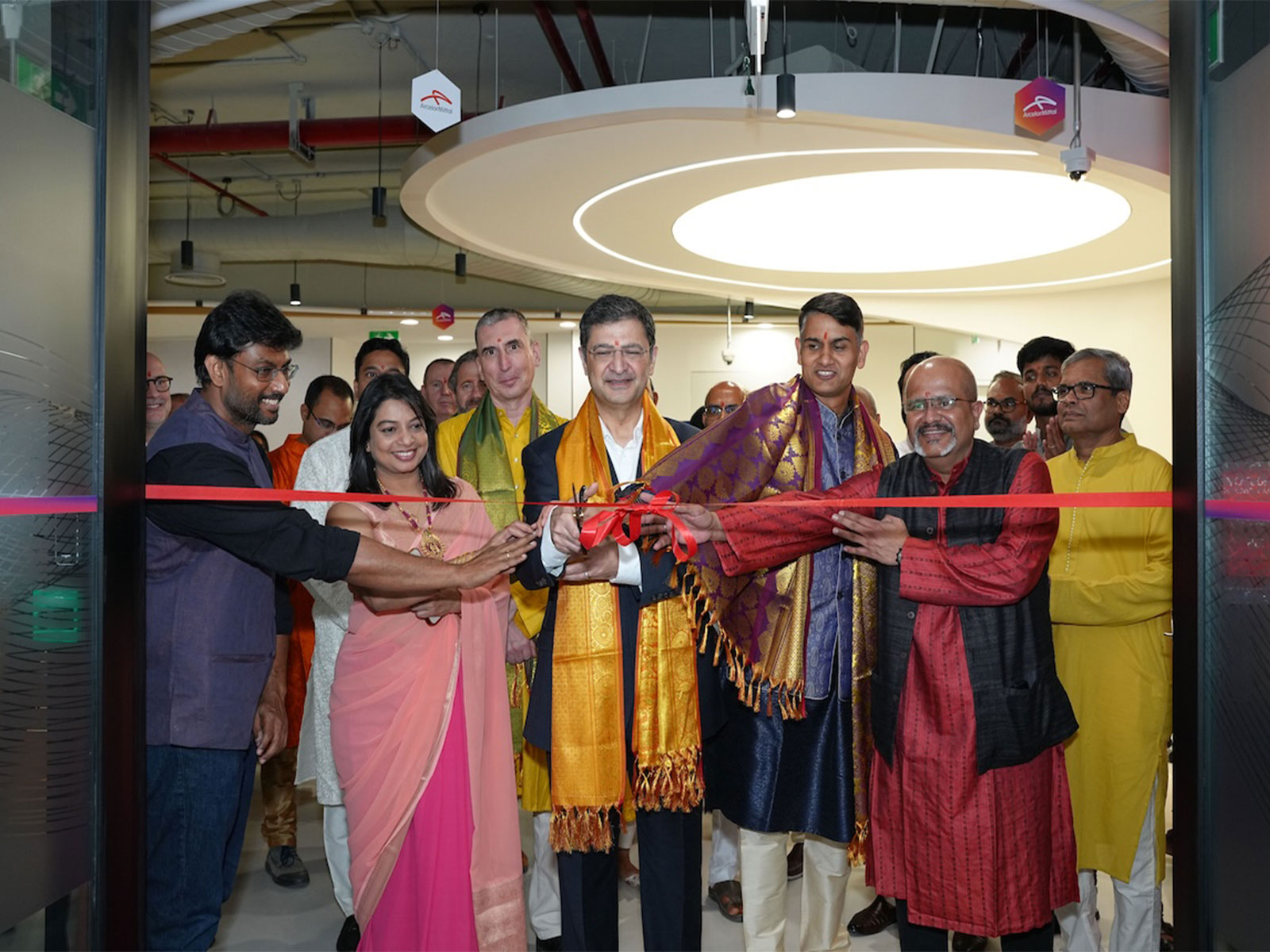

Hyderabad has emerged as India’s leading destination for Global Capability Centers (GCCs), overtaking Bengaluru due to a strong talent ecosystem, lower real estate costs, and rapid expansion, according to industry experts. Meanwhile, Visakhapatnam, Vijayawada–Amaravati, and Tirupati are gaining traction as the next wave of GCC growth hubs, driven by cost advantages and proactive government policies in Andhra Pradesh.
Hyderabad’s Rise as the Leading GCC Hub
According to Kiran Cherukuri, Member of the CII Task Force on GCCs and Executive Vice President & Global GCC Practice Leader at HCLTech, Hyderabad has outpaced Bengaluru over the last two years as a preferred GCC destination.
Key factors contributing to Hyderabad’s rise include:
- Availability of a strong technology ecosystem
- Deep talent pool
- Lower real estate costs compared to Bengaluru
- Rapid growth amid Bengaluru’s saturation
Currently, Hyderabad hosts around 400 GCCs, while Bengaluru has approximately 900. However, Hyderabad is attracting a higher share of new GCC additions, accounting for 41–46% of new GCCs, compared to 30–33% for Bengaluru.
Andhra Pradesh Emerges as the Next GCC Growth Frontier
The article highlights Andhra Pradesh as a promising GCC destination, supported by proactive policy measures led by Chief Minister N. Chandrababu Naidu and IT Minister Nara Lokesh.
Cities positioned as future GCC hubs include:
- Visakhapatnam
- Vijayawada–Amaravati
- Tirupati
Several companies have already signed MoUs to set up GCCs in the state, and organizations such as ANSR and Eisai Pharmaceuticals have announced plans to establish GCCs in Visakhapatnam.
The presence of the HCL campus in Vijayawada and the development of Amaravati as a futuristic capital are expected to further strengthen GCC activity in the Krishna region.
GCC Market Size and Growth Outlook
India’s GCC investment is currently estimated at USD 65 billion and is expected to grow to USD 110 billion by 2030.
Additional projections shared in the article include:
- GCCs currently account for 35% of technocrats, expected to rise to 50% by 2030
- The number of GCCs in India is projected to increase from 1,800 to 2,600 over the next four to five years
Talent, Skills, and Infrastructure Imperatives
While India has a large talent pool, the article emphasizes the need for:
- Skill mapping and addressing skill gaps
- Availability of mid-level managers
- Strong R&D capabilities
- Collaboration between academia and industry
Andhra Pradesh’s ecosystem includes institutions such as IIT, IIM, NIT, IIIT, and universities like SRM, GITAM, and VIT, which can support GCC talent needs if aligned with industry requirements.
Conclusion
Hyderabad’s ascent as India’s leading GCC hub reflects shifting enterprise priorities around cost, talent availability, and scalability. At the same time, Andhra Pradesh is positioning itself as the next GCC growth frontier through policy support, infrastructure development, and talent readiness. As GCCs continue to evolve into strategic value centers, location competitiveness will increasingly hinge on ecosystem maturity, skills alignment, and innovation capacity.
Visit Our News section and follow us on LinkedIn and Twitter
Read more full news: Here