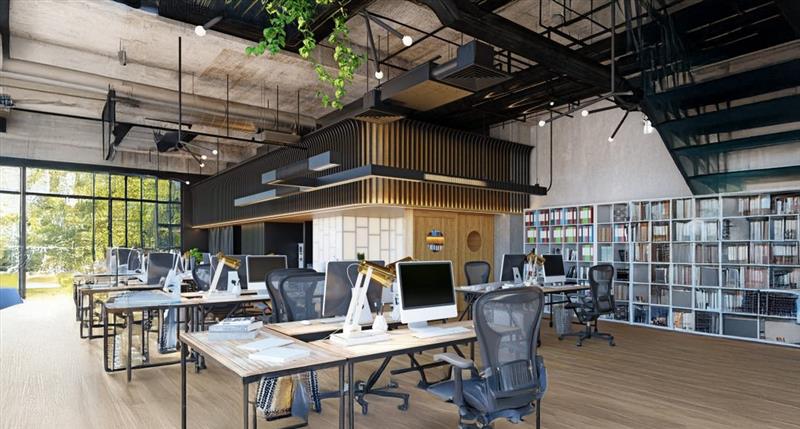
India’s flexible workspace industry has emerged as one of the fastest-growing segments of the commercial real estate market. Companies are increasingly shifting towards agile, asset-light office models, with flexible offices becoming the preferred choice for both startups and global enterprises, including Global Capability Centers (GCCs).
According to industry estimates, the Indian flexible office market was valued at USD 5.99 billion in 2025 and is expected to nearly double to USD 11.39 billion by 2030, growing at a CAGR of 13.72%. By 2026–27, total flexible office space across India is projected to cross 100 million square feet, reflecting rising demand from startups, large enterprises, and GCCs.
GCCs Driving Demand for Flex Spaces
Many global companies entering India, especially GCCs, prefer flexible offices as plug-and-play solutions that allow them to start operations quickly without heavy upfront investments.
“Flexible offices have become an easy entry point for global companies looking to establish or expand their presence in India,” said Archana Naidu, Board Member and Head of Business at iKeva.
Flexible workspaces help GCCs scale operations, adopt hybrid work models, and maintain agility, making them central to India’s growing GCC ecosystem.
Policy Support Needed
Industry leaders are looking to the Union Budget 2026 for measures that will sustain growth and make India a more attractive destination for GCCs. Key policy requests include:
- GST rationalisation: Treating flexible office services like traditional offices to reduce compliance burdens and operational costs.
- Regulatory clarity: Clear guidelines on satellite communication spectrum and faster approvals for new workspace centers, especially in Tier 2 and Tier 3 cities.
- Digital infrastructure incentives: Tax benefits for AI-enabled workplaces, IoT-enabled buildings, and immersive technologies such as AR/VR.
- Sustainability incentives: Support for green buildings and energy-efficient designs to align with global ESG standards.
“India’s flexible workspace sector is becoming a critical enabler for global businesses, especially GCCs and digitally driven enterprises,” added Naidu.
Opportunities Beyond Metro Cities
Expanding flexible office offerings in Tier 2 and Tier 3 cities presents an opportunity to attract new businesses, create jobs, and support balanced economic growth. For GCCs, this means access to a broader talent pool and lower-cost operational hubs, reinforcing India’s strategic position in global business services.
Conclusion
With the right policy support, India’s flexible workspace sector can continue to fuel GCC growth, drive innovation, attract global investments, and support the evolving needs of modern, digitally-driven enterprises. Flexible offices are no longer just real estate—they are critical enablers of GCC operations and expansion across India.
Visit Our News section and follow us on LinkedIn and Twitter
Read more full news: Here