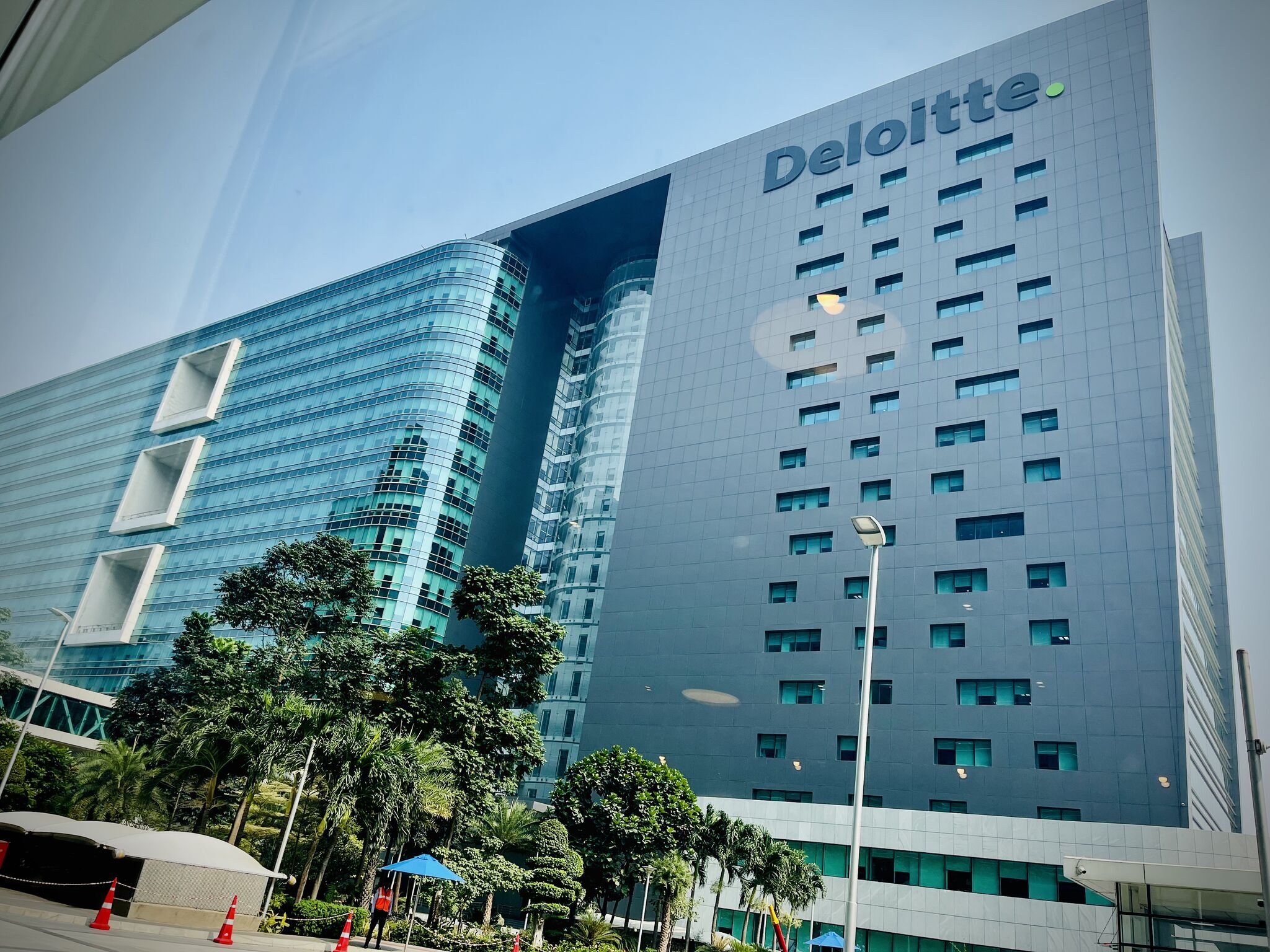
Global professional services leader Deloitte has announced a major expansion in India, with plans to hire around 50,000 additional professionals. The move reinforces India’s strategic importance in Deloitte’s global operations and shines a spotlight on the growing role of Global Capability Centers (GCCs), particularly in Tier II cities such as Mangaluru.
Massive Hiring Drive Strengthens India’s Role
Deloitte currently employs about 140,000 people in India, and the addition of 50,000 more professionals will further cement the country’s position as a global delivery and innovation hub. According to Romal Shetty, CEO of Deloitte South Asia, one in every four Deloitte employees worldwide is either Indian or based in India, underlining the scale and depth of the firm’s presence.
This hiring push was announced at TiEcon Mangaluru 2026, signaling Deloitte’s confidence in India’s talent ecosystem and long-term growth potential.
Mangaluru Emerges as a Strategic Expansion Location
Deloitte is “very close” to establishing operations in Mangaluru, driven primarily by the availability of skilled talent and suitable real estate. This potential entry reflects a broader strategic shift toward Tier II and Tier III cities, as global firms seek sustainable growth beyond traditional metro locations.
Mangaluru’s strong fundamentals position it as an attractive destination for future GCC expansion, aligning with Deloitte’s vision of distributed growth across India.
India’s Dominance in the Global GCC Landscape
Shetty highlighted that nearly half of the world’s GCCs are located in India, reinforcing the country’s dominance in this space. GCCs in India have evolved from cost-focused back offices into centers of innovation, digital transformation, and strategic value creation.
To further accelerate this momentum, Shetty proposed the concept of “digital economic zones.”
Digital Economic Zones: Accelerating GCC Setup
The proposed digital economic zones would bring together:
- Global Capability Centers
- Data centers
- Startups
- Academic institutions
- Ready-to-use digital and physical infrastructure
Such integrated zones could reduce GCC setup timelines from months to just weeks, making India an even more compelling destination for global enterprises.
Infrastructure, Sustainability, and Collaboration Challenges
While opportunities are significant, challenges remain—particularly around energy and water requirements for data centers. Addressing these concerns will be critical to sustaining large-scale GCC growth.
Shetty emphasized the need for strong collaboration between universities, corporations, and government, alongside increased investment in R&D. He also stressed that economic prosperity should extend beyond major cities to 200 or more cities across India.
Conclusion
Deloitte’s planned hiring of 50,000 professionals and its evaluation of Mangaluru underscore a pivotal shift in India’s GCC narrative. With Tier II cities gaining prominence, innovative policy ideas like digital economic zones, and a strong focus on ecosystem building, India is poised to deepen its leadership in the global GCC landscape and drive more inclusive, innovation-led growth.
Visit Our News section and follow us on LinkedIn and Twitter
Read more full news: Here