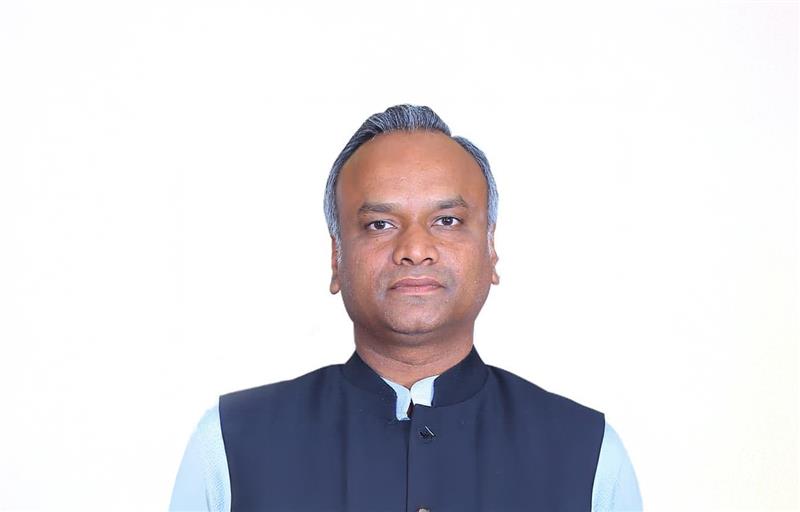
Karnataka has reaffirmed its position as India’s technology powerhouse, with IT exports touching an impressive ₹4.1–₹4.5 lakh crore, according to the state’s IT & BT Minister, Priyank Kharge. The state continues to lead not only in information technology and innovation but also in the establishment and expansion of Global Capability Centres (GCCs) — a sector that has become a backbone of India’s digital economy.
Karnataka: The Nerve Centre of India’s GCC Ecosystem
Over the past decade, Karnataka — especially Bengaluru — has emerged as the preferred hub for global enterprises setting up capability centres. Today, the state accounts for nearly 47% of India’s GCCs, hosting over 550 centres from global leaders across industries such as banking, healthcare, retail, automotive, and technology.
These centres go far beyond back-office functions — they are now driving AI research, cloud engineering, cybersecurity, and product innovation for multinational corporations.
These centres go far beyond back-office functions — they are now driving AI research, cloud engineering, cybersecurity, and product innovation for multinational corporations.
Government’s Vision: Beyond Bengaluru
Minister Kharge emphasized the state government’s focus on spreading the GCC footprint beyond Bengaluru, promoting tier-2 and tier-3 cities such as Mysuru, Mangaluru, Hubbali-Dharwad, and Udupi.
This decentralization strategy is designed to:
This decentralization strategy is designed to:
- Decongest Bengaluru’s infrastructure
- Create balanced regional growth
- Tap into local talent pools
- Enhance digital inclusion across Karnataka
By building innovation clusters and skill-development initiatives across these emerging cities, the government aims to replicate Bengaluru’s success statewide.
AI and Deep Tech: The New Pillars of GCC Growth
Karnataka contributes nearly 40% of India’s AI talent and is home to the highest number of AI-driven GCCs in the country.
Minister Kharge highlighted that the next phase of growth will be AI-led and deep-tech enabled, positioning Karnataka as a global innovation hub.
The synergy between GCCs, startups, and academic institutions is catalyzing a new wave of co-creation, R&D, and digital transformation projects.
Minister Kharge highlighted that the next phase of growth will be AI-led and deep-tech enabled, positioning Karnataka as a global innovation hub.
The synergy between GCCs, startups, and academic institutions is catalyzing a new wave of co-creation, R&D, and digital transformation projects.
The Economic Impact
- IT Exports: ₹4.1–₹4.5 lakh crore (highest in India)
- Employment: Over 2 million professionals employed directly in IT & GCC sectors
- Global Presence: Over 550 global companies operating GCCs in Karnataka
- Investment Magnet: Increasing FDI and expansion from tech giants and new-age firms
This robust ecosystem underlines Karnataka’s critical role in driving India’s $250 billion digital economy vision.
Future Outlook
With global enterprises accelerating their digital transformation and AI integration, Karnataka’s GCC ecosystem is evolving into a strategic innovation partner network.
The state’s push to integrate AI, automation, and sustainability into GCC operations is expected to:
The state’s push to integrate AI, automation, and sustainability into GCC operations is expected to:
- Boost innovation output
- Enhance global competitiveness
- Create more high-value jobs in R&D and engineering
Conclusion
Karnataka’s GCC ecosystem reflects the state’s commitment to future-ready growth — one that extends beyond traditional outsourcing to become a hub of global innovation and AI-driven excellence.
Under the leadership of Minister Priyank Kharge, Karnataka is not just maintaining its IT supremacy but is also defining the future of GCCs in India, paving the way for balanced, inclusive, and technology-led development.
Under the leadership of Minister Priyank Kharge, Karnataka is not just maintaining its IT supremacy but is also defining the future of GCCs in India, paving the way for balanced, inclusive, and technology-led development.
Visit Our News section and follow us on LinkedIn and Twitter
Read more full news: Here